The Nissan GT-R R35 has been in production since 2007, and across that run the catalog has grown deep: eight listings now cover the car, from single add-on pieces priced from $179 up to full widebody conversions. Choosing between them is easier once the listings are sorted by what they actually do, which is what this guide is for.
One warning before anything else: the R35 changed with the 2017 facelift, and parts are labelled by model year. Read the model-year section first, then work down to the route that matches your plans.
What we build for the GT-R R35
Eight listings, four kinds of job. Some pieces attach to the factory panels, some replace them, and the widebodies change the width of the car. The full set:
Nissan GT-R R35 Add-on Aero Kit
Nissan GT-R R35
Parts from $179
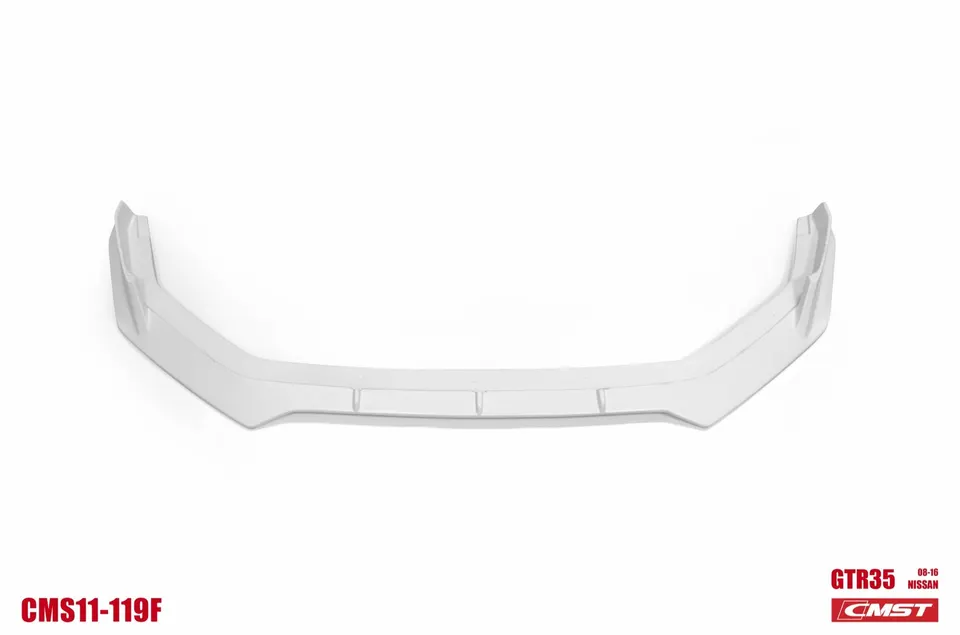
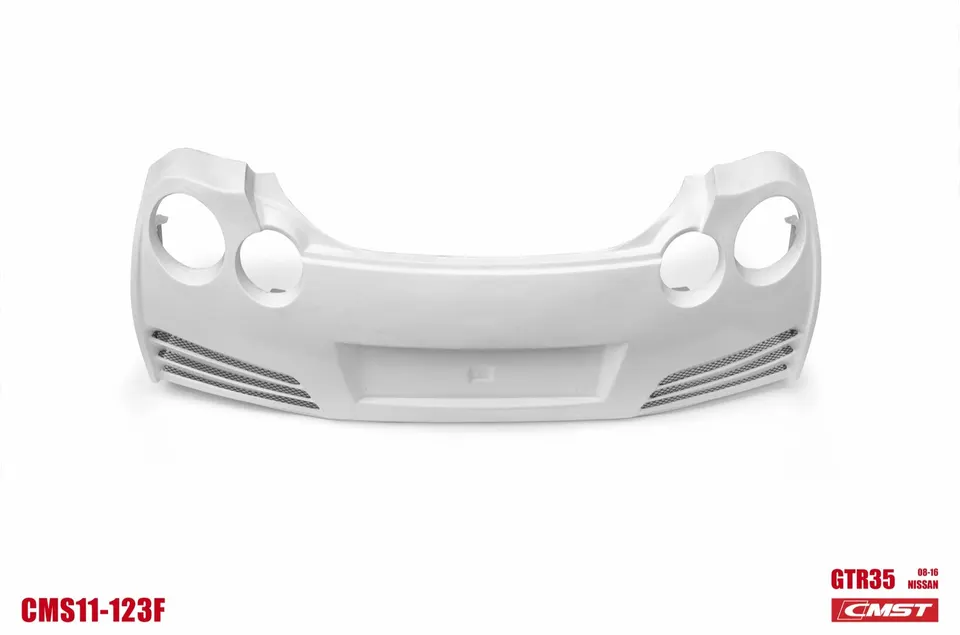
Nissan GT-R R35 SA Style Kit
Nissan GT-R R35
Parts from $643
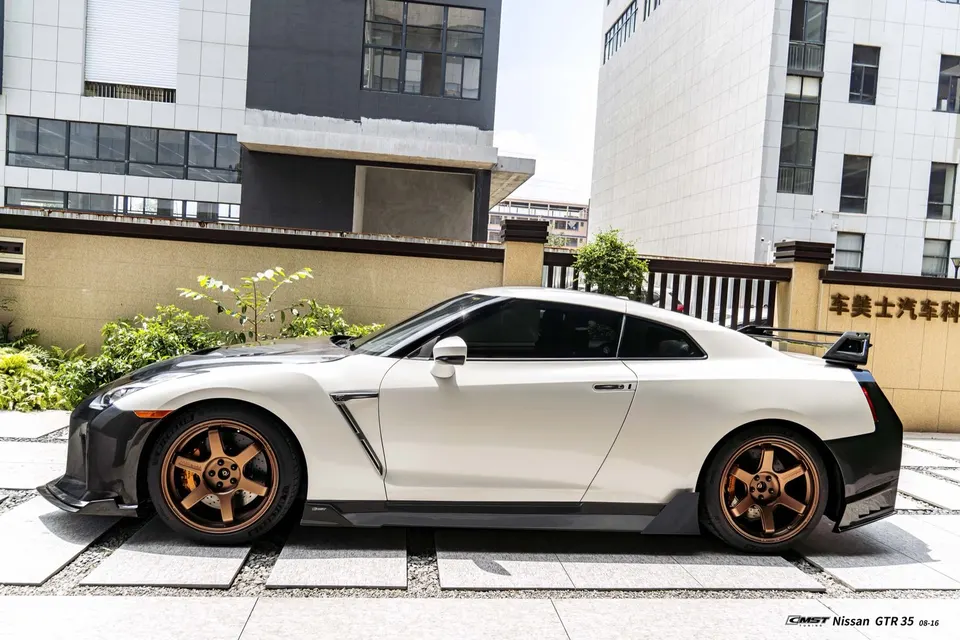
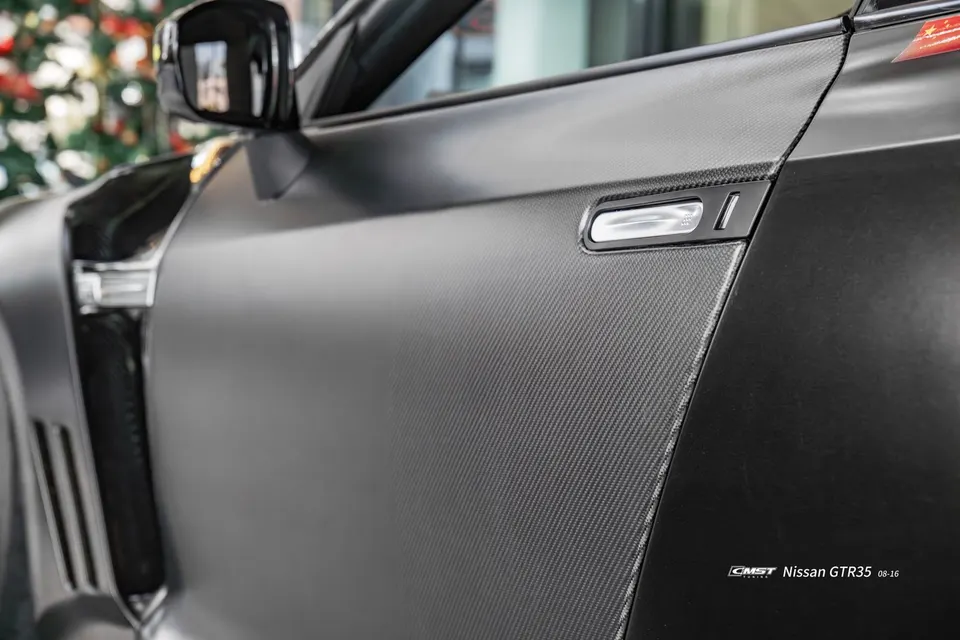
Nissan GT-R R35 LA Style Kit
Nissan GT-R R35
Parts from $386

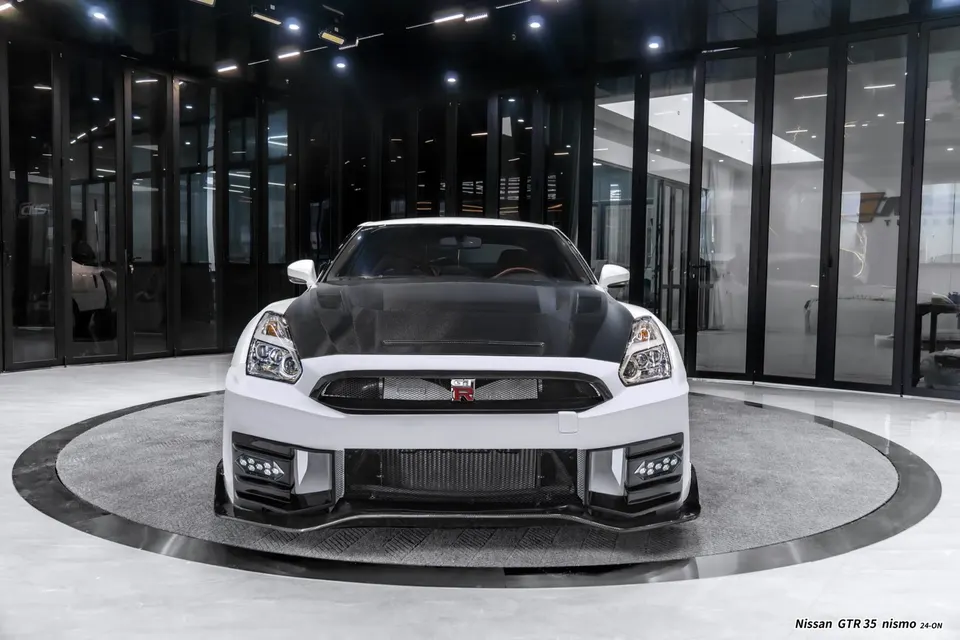
Nissan GT-R R35 Widebody kit (wide arches + LB wing)
Nissan GT-R R35
Parts from $821
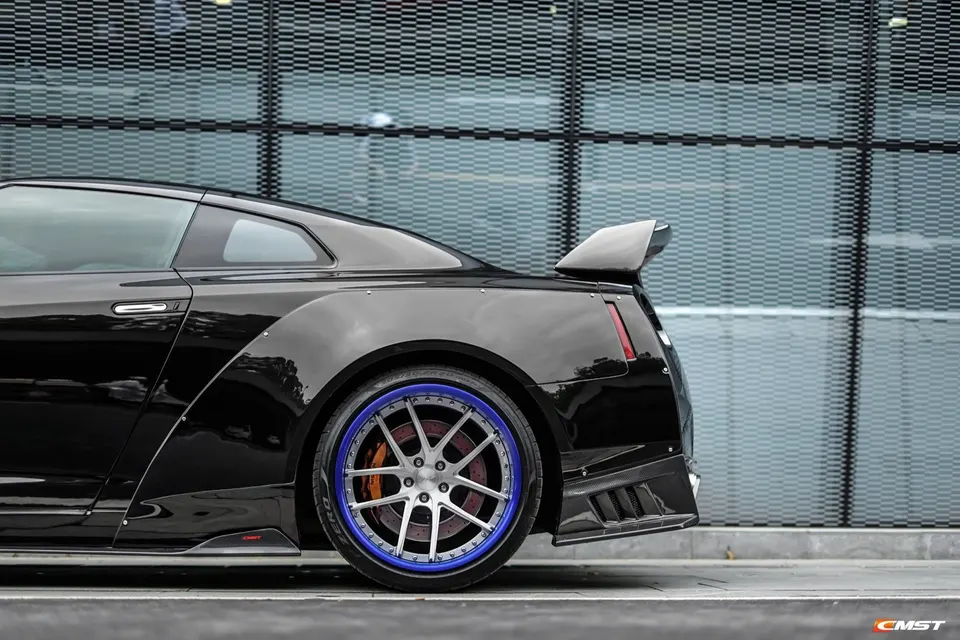
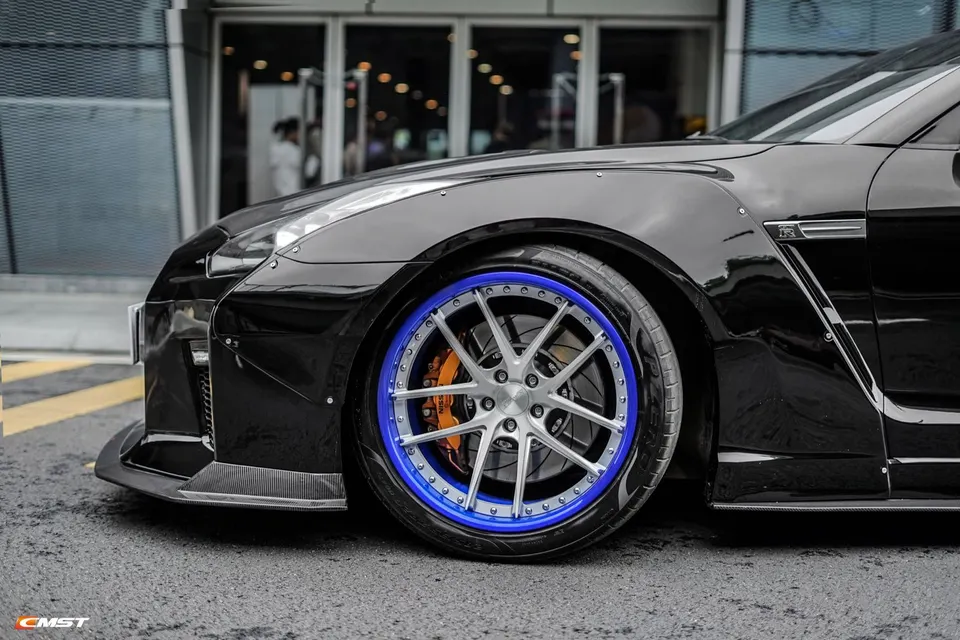
Nissan GT-R R35 2017 Facelift Conversion Kit
Nissan GT-R R35
Parts from $512
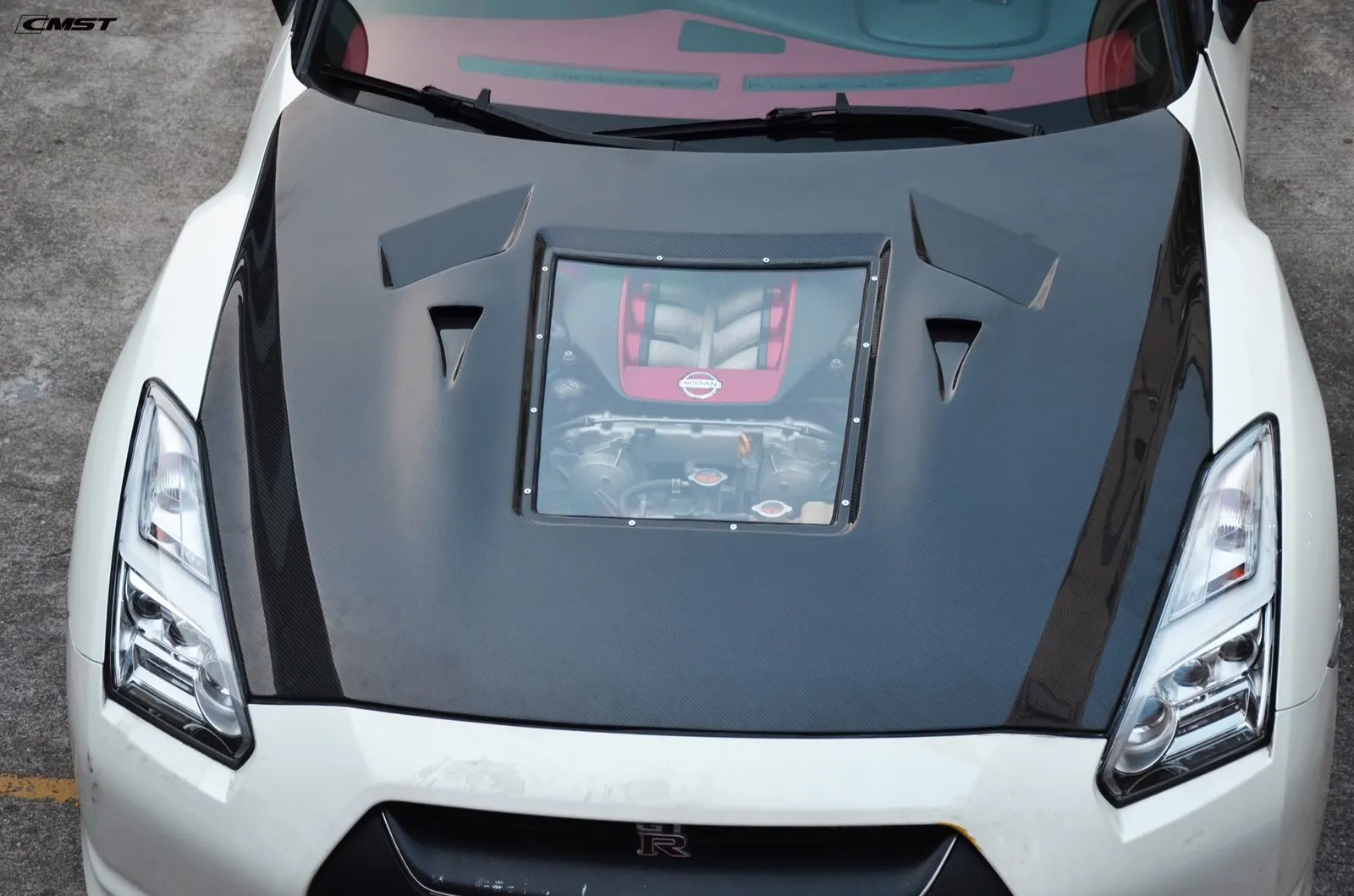
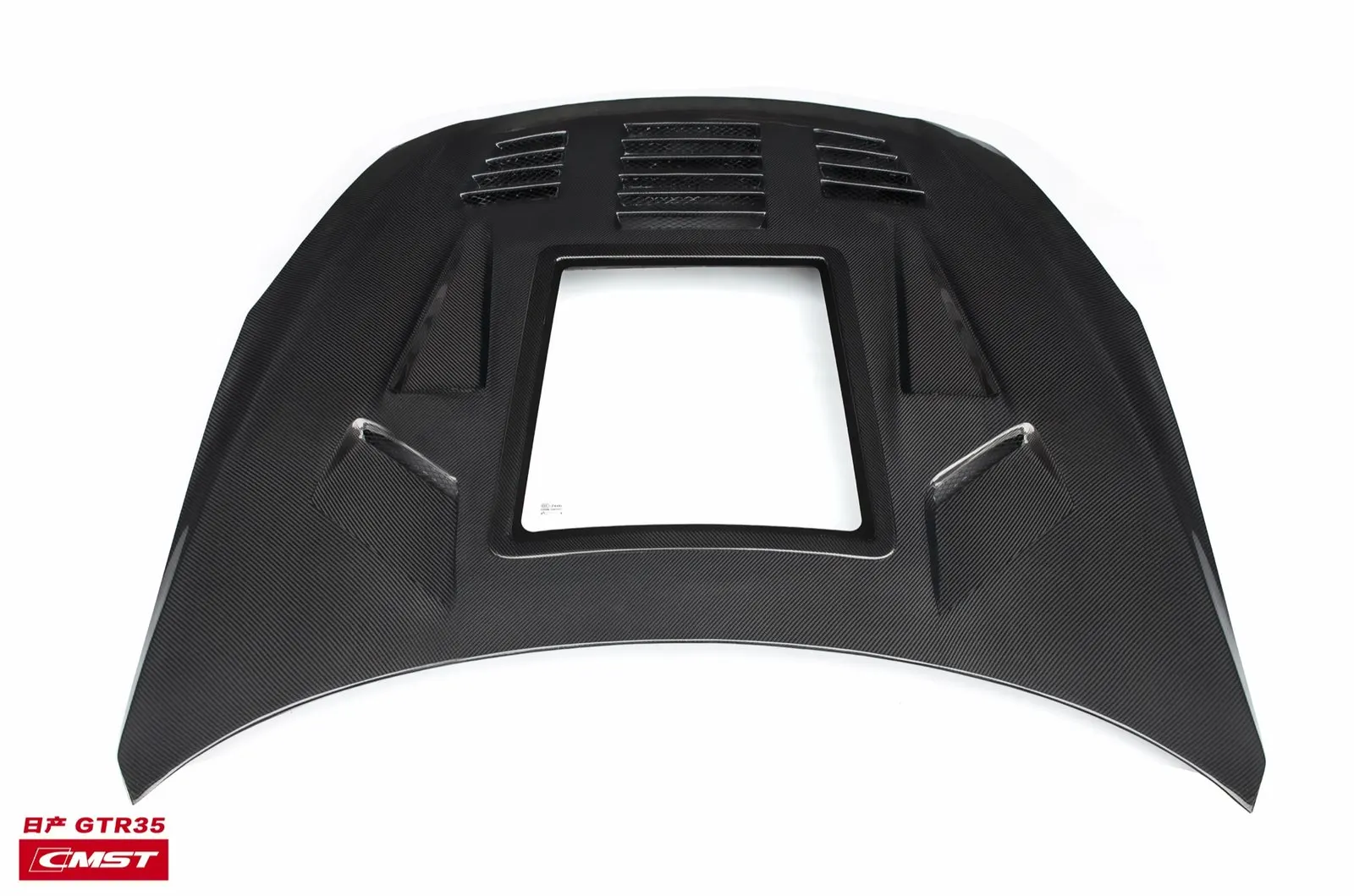
Nissan GT-R R35 (2017-) Carbon Aero Parts
Nissan GT-R R35 (2017-)
Parts from $857
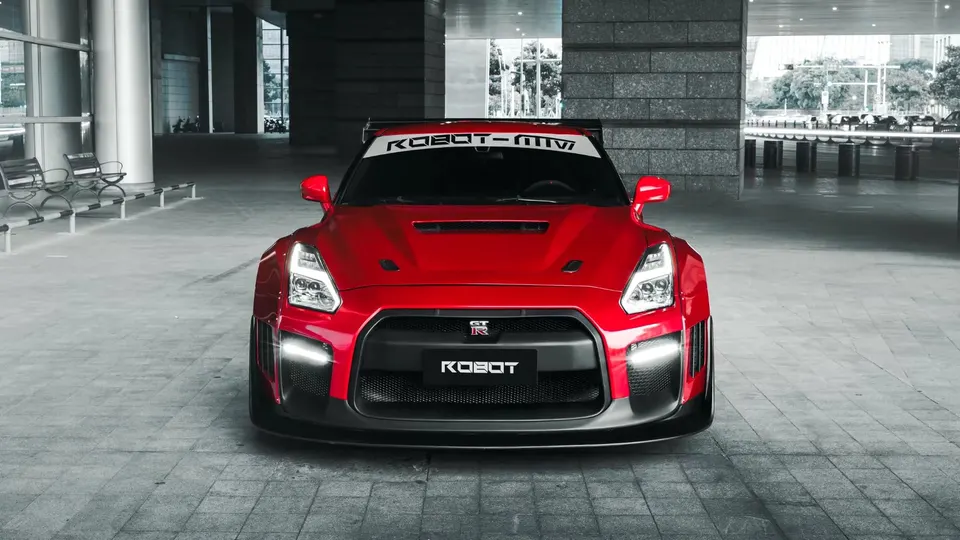
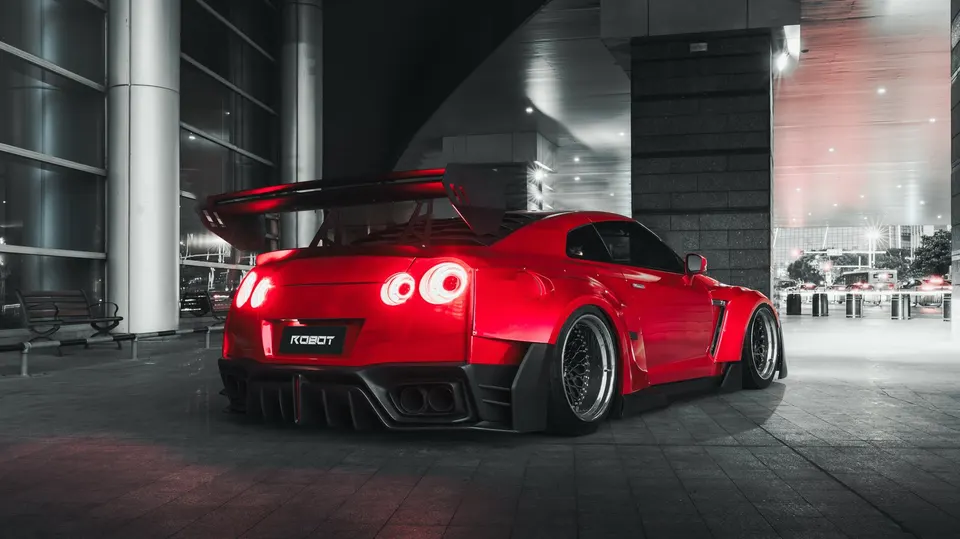
Nissan GT-R R35 Mokushu Widebody Kit
Nissan GT-R R35 (2007-2017)
FRP $11,486 / Carbon $15,257
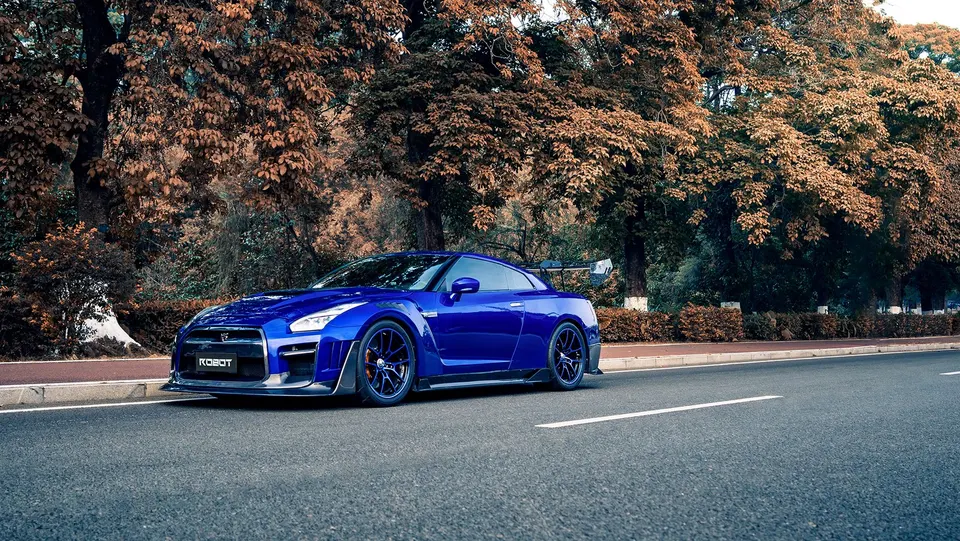
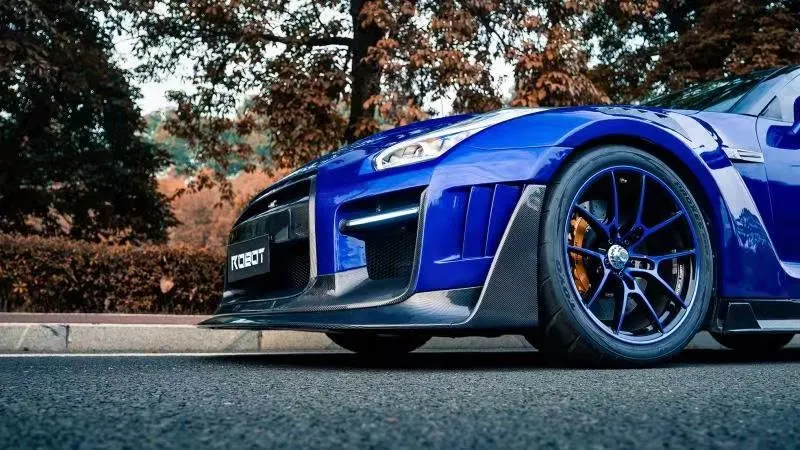
Nissan GT-R R35 Mokushu Kit
Nissan GT-R R35 (2007-2017)
FRP $10,343 / Carbon $14,686
Everything is priced per part, so you can order a single piece now and add the rest later.
Know your model year first
The listings split by era, and mixing eras is the most common ordering mistake:
- 2007-2012. The bulk of the add-on catalog — lips, wings, hoods, trunk lids and underbody panels.
- 2008-2016. The facelift conversion kit, which brings the 2017 look to the earlier car.
- 2017-on. Its own carbon parts listing: vent trim and a hood.
- 2007-2017. Both widebody kits, which span the whole early run.
If your car sits near a boundary year, send us its build date and photos of the bumpers before ordering and we will confirm which label it needs.
The add-on catalog: twenty-nine parts
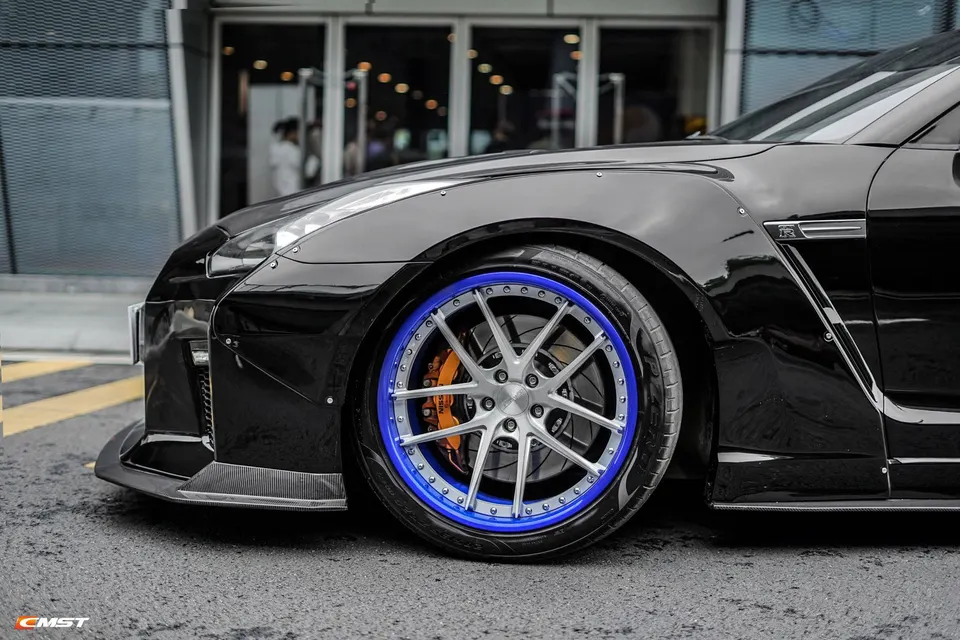
Nissan GT-R R35 Add-on Aero Kit is the largest single listing in the range: twenty-nine parts, each priced on its own, starting from $179. Most of it is carbon, with FRP offered on the pieces most likely to be painted — the add-on front bumper, the side skirts and the underbody panels.
- Front aero. Add-on front lips in several designs, plus vent trim and fender vents.
- Rear aero. Rear wings in several designs, including versions labelled as fitting the factory parts.
- Body. An add-on front bumper and side skirts in FRP.
- Hoods and trunk lids. Eight hood variants, including a double-sided carbon version, plus two trunk lids.
- Engine bay and underbody panels. JDM and EU variants — the EU version carries a brake light.

Two style kits: SA and LA
Nissan GT-R R35 SA Style Kit is a three-piece carbon set — front lip, rear diffuser and side skirts, all in carbon and all priced separately. It suits a car that keeps its factory bumpers and factory width.
Nissan GT-R R35 LA Style Kit is the front-end route: an LA-design front bumper in FRP with a matching front lip in FRP or carbon. The bumper is the paint-shop piece; order the lip in carbon if you want the weave left visible.
Facelift conversion for 2008-2016 cars
Nissan GT-R R35 2017 Facelift Conversion Kit bundles the six pieces that changed with the 2017 facelift: a three-piece front lip and a two-piece rear diffuser in FRP or partial carbon, a carbon rear wing labelled as add-on, eight-piece rear fender flares in FRP, carbon side skirt extensions and a carbon rear diffuser.
Partial carbon — listed as PCF — means carbon accents on an FRP base: the weave shows where it counts and the rest goes to paint.

Widebody routes
Three listings widen the car, and they differ in how. Nissan GT-R R35 Widebody kit (wide arches + LB wing) adds width with add-on work: front and rear fender flares in FRP, labelled as fitting the factory body, plus a carbon rear wing.
Nissan GT-R R35 Mokushu Widebody Kit and Nissan GT-R R35 Mokushu Kit cover the 2007-2017 car and go further: front bumper, hood, front splitter, front fenders, side skirts, GT wing, rear lip, rear window panel and ducktail. The widebody version adds a widebody front splitter and widebody side skirts.
Watch the dependencies, because these pieces are structural: the front bumper requires the front fenders and side skirts, the widebody side skirts require the front bumper, the fenders must be cut, and the GT wing needs drilling.

Fenders, cutting and bonding make this body-shop territory — our widebody installation guide walks through the whole sequence, from dry fit to final alignment.
Carbon pieces for the 2017-on car
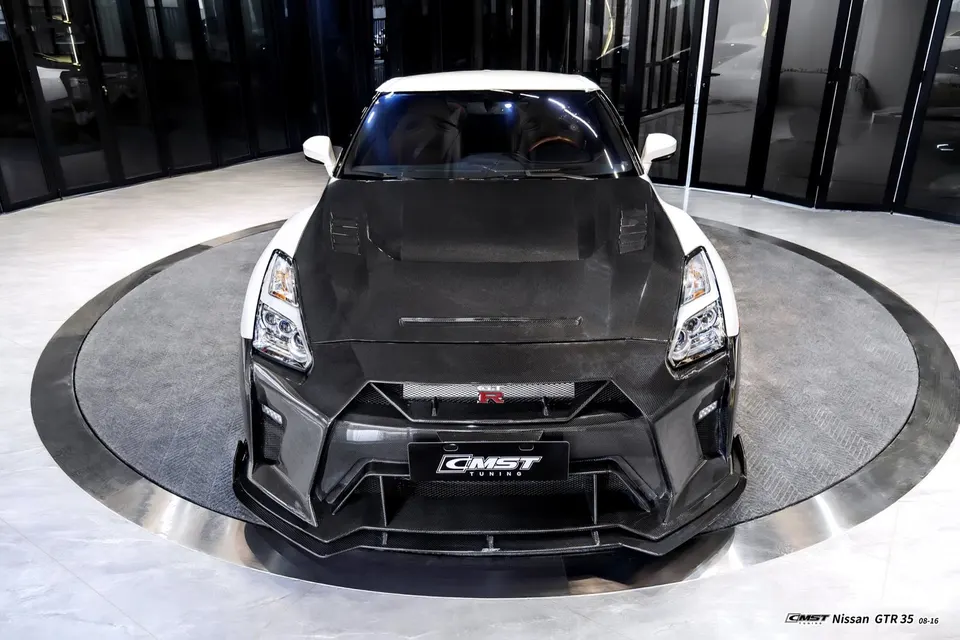
Nissan GT-R R35 (2017-) Carbon Aero Parts keeps it simple for facelift cars: a three-piece carbon vent trim and a carbon hood. Both are labelled for the 2017-on car only and do not transfer to the earlier body.

Materials across the range
Four material options appear across the range. FRP is the budget route and the one to paint. Carbon keeps its weave visible under clear coat. PCF is partial carbon — carbon accents on an FRP base — and FCF is full carbon fiber, the premium option on the Mokushu hoods and panels. Our materials comparison explains the trade-offs in weight, finish and repairability.
Fitment checks before you order
- Model year. Early, 2008-2016 and 2017-on cars take different parts; the widebody kits span 2007-2017.
- Add-on or replacement. Add-on pieces attach to factory panels; bumpers and fenders take their place, which changes the paint and alignment work.
- Dependencies. Several Mokushu pieces require other pieces first, and some fenders must be cut.
- Material per part. Material is set per part, not per kit — read the part table on each product page.
If anything is uncertain, send photos of the car plus its build date on WhatsApp and we will confirm fitment before production.
Installation expectations
- Add-on lips, wings, vent trim and underbody panels are realistic home-garage work with standard hardware.
- Bumpers and fenders suit a competent workshop — allow time for panel gaps and alignment.
- FRP and partial carbon arrive primed and still need painting; carbon can stay visible under clear coat.
- Widebody and facelift flares are structural work: cutting, bonding, alignment and paint.
Dry fit every panel before anything goes to paint, and re-check fixings after the first few hundred kilometres.
Putting a package together
- Confirm your model year — that one fact rules out the listings that cannot fit.
- Decide whether to add to the factory body or replace panels.
- Pick a design: SA for a three-piece carbon set, LA for a different front end, Mokushu for the full widebody.
- Check dependencies before ordering structural pieces.
- Confirm materials per part — FRP and partial carbon go to paint, carbon can stay visible.
See everything we build for the marque on the Nissan page; if this is your first factory-direct order, our import guide covers freight, customs and delivery checks.